







Search Results for: merchandise quality
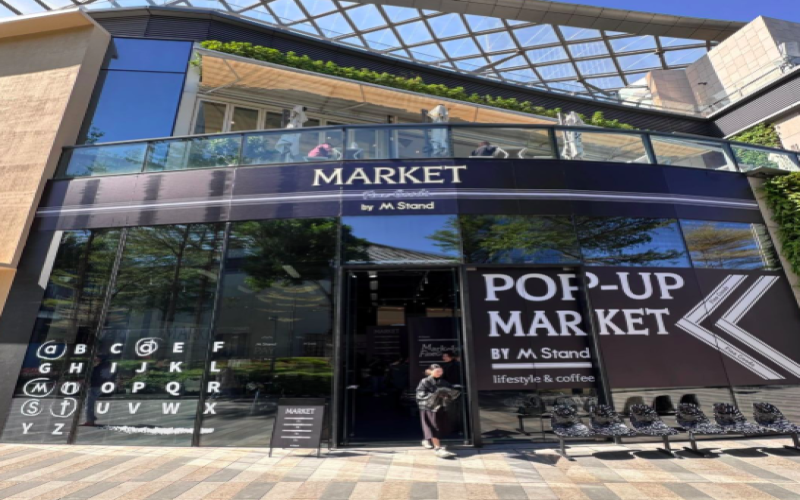
Mstand opens a themed pop-up merchandise store in Guangzhou, with coffee reduced to a free drink in a combo package, sparking controversy over brand positioning.
Recently, Mstand opened a pop-up store called Mstand Market on the first floor of Teemall in Guangzhou, mainly selling merchandise. The store displays various cups, bags, and other merchandise, while coffee has become a supporting role in the package deals. This "buy merchandise, get coffee free" model has sparked heated discussions among consumers, with longtime customers saying it puts the cart before the horse. Mstand, once recognized for its coffee quality, has now become a topic of discussion because of its merchandise, and is even jokingly called "a coffee shop that survives by selling merchandise." The inconsistent quality of the merchandise and controversial pricing strategy make the brand's positioning shift lamentable. [more…]
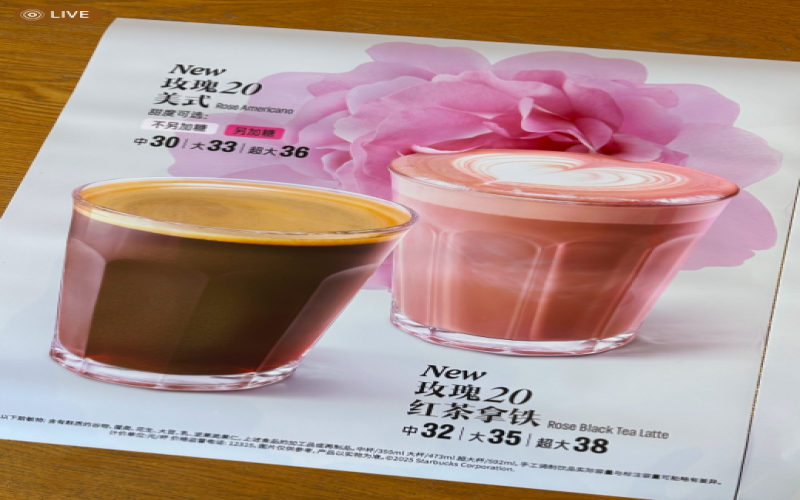
Starbucks Valentine's Day merchandise quality control goes off the rails: rose drinks get mixed reviews, bouquet teddy bear's sloppy looks draw complaints
On the eve of Valentine's Day, Starbucks as usual launched its Rose 20 series drinks and a limited-edition bouquet-holding bear charm. However, reactions this season have been sharply polarized: on the drinks side, the new items use an extract from double-petaled roses, and the sugar-free formula had some consumers praising the natural floral aroma, while others said the scent was too intense and hard to accept; on the merchandise side, the bouquet-holding bear charm drew widespread complaints over quality-control issues, with flaws such as crooked eyes and mouth, a single eye, and multiple ears appearing frequently, leaving many fans who ordered it for its cute look deeply disappointed. What has upset longtime customers even more is that this is already Starbucks' second plush merchandise flop in a short period; the rabbit plush that previously came with a ceramic cup was also widely mocked for its uneven appearance. Will a string of quality problems affect the brand's reputation in the merchandise market? This article will take you through the whole story. [more…]
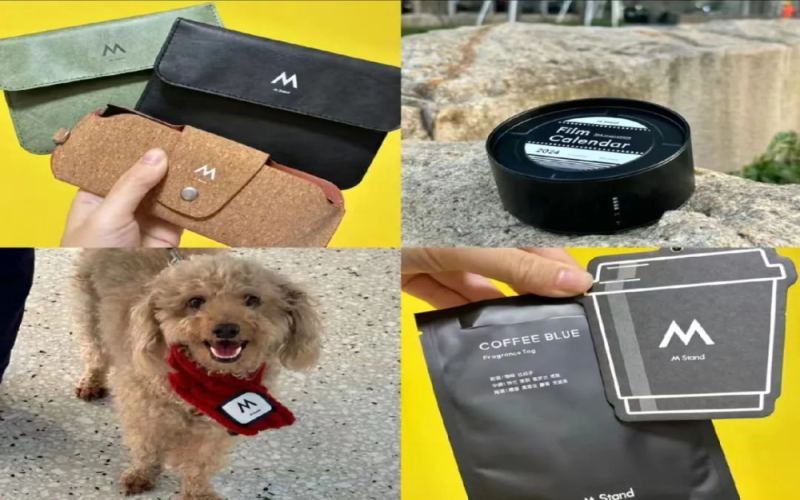
The M stand wooden fish merchandise doesn't make a sound when tapped and the paint peels off, and the coffee quality control is also being criticized—will fans still buy it?
M stand recently launched a wooden fish (muyu) merchandise item, which sparked a buying frenzy among fans as soon as it went on sale. However, after receiving the product, many people found that this wooden fish couldn't produce a crisp, ethereal sound when struck, and it also had issues like scratches, rough craftsmanship, and a surface prone to showing hammer marks. It was criticized as a "beautiful piece of junk." At the same time, netizens' complaints about M stand's coffee quality control have resurfaced, with many arguing that its prices are higher than Manner and Luckin, yet its taste is not superior. M stand, which once won over fans with its petit-bourgeois vibe and consistent quality control, is now increasingly perceived by consumers as "the coffee isn't great, but the merchandise is decent." This latest quality failure with the wooden fish has left loyal fans even more disappointed. [more…]
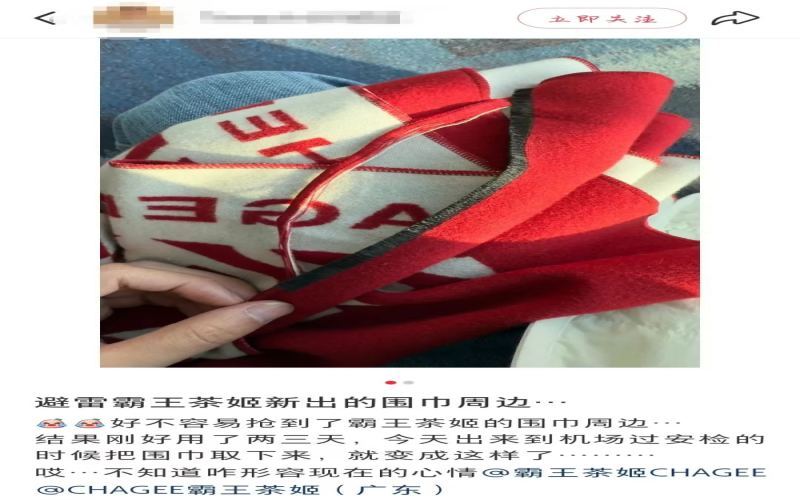
Frequent fraying issues reported after washing CHAGEE-themed scarves, consumers say quality is concerning
As temperatures drop, many Chagee fans have dug out scarves, shawls, and other merchandise they snapped up during previous limited-edition promotions, ready to work them into their everyday outfits. However, multiple consumers report that these scarves began fraying at the edges and shedding yarn shortly after use or washing. From Guangdong to Suzhou and Chongqing, fans everywhere have been posting photos of their scarves "falling apart," sparking widespread discussion about the quality of the brand's merchandise. This article sorts through consumers' experiences, craft analysis, and the hidden concerns behind brand merchandise marketing, offering reference for coffee lovers. [more…]
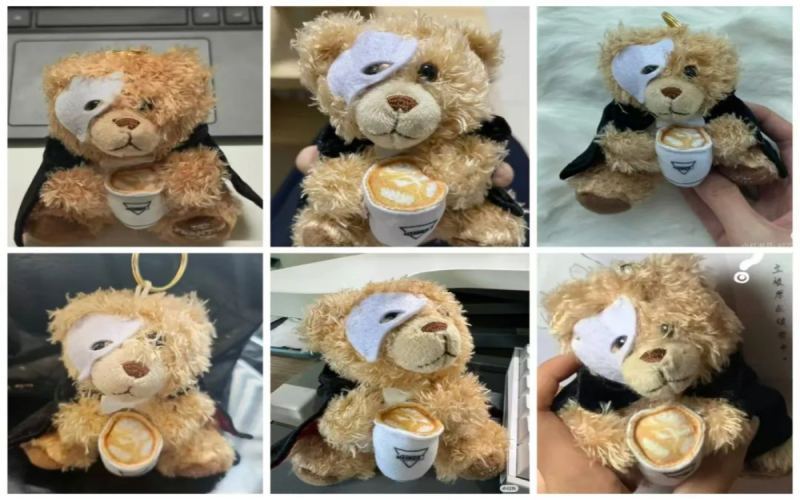
Manner's 《The Phantom of the Opera》 Phantom Bear collaboration faces quality control complaints, with crooked faces and slanted mouths mocked as "unknown creatures"
The limited-edition Phantom Bear merchandise, a collaboration between coffee chain Manner and the English original production of The Phantom of the Opera, has recently sparked a flood of complaints on social media. After receiving the actual product, many users found that the bear, which was supposed to be cute, suffered from serious quality control issues such as a crooked mouth and lopsided face, and was jokingly dubbed an "unidentified creature." Since the merchandise could only be redeemed with points, many theater fans and coffee lovers went through considerable trouble to get their hands on it, only to be greatly disappointed—some even bluntly demanded returns and the refund of their points. This article will sort out the ins and outs of the incident, presenting user feedback and the quality control controversy surrounding the brand's collaborative merchandise. [more…]
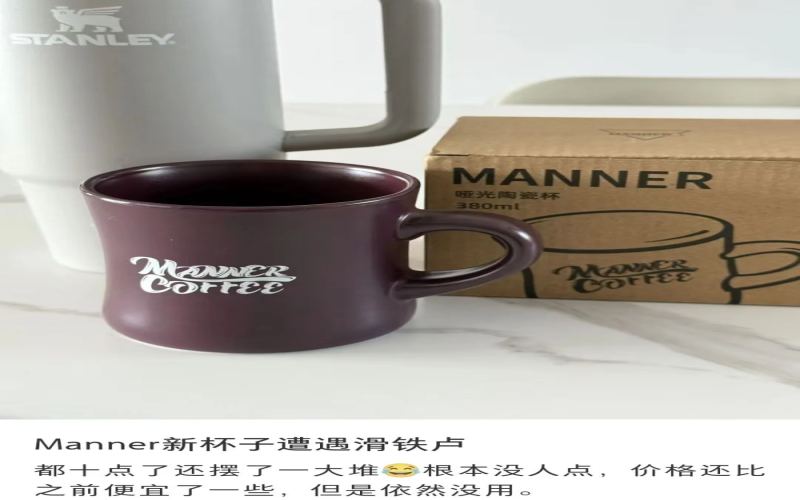
Manner Ceramic Cup Cracking with Hot Water Controversy: New Merchandise Quality Control Questioned, Consumers Call for Quality Assurance
Manner recently launched a two-cup set that comes with a matte ceramic mug, but it has sparked widespread discussion due to issues such as water seeping from the bottom and the body cracking after hot water is poured in. Many consumers have reported on social media that this mug, which is claimed to be microwave- and dishwasher-safe, actually cracked suddenly during use, which is worrying. Store employees were even asked to remind customers not to fill it with overly hot liquids, a move that some users mocked with, "A ceramic mug that can't hold hot coffee—doesn't Manner find itself hilarious?" At the same time, some stores still have plenty of stock, in contrast to the previous scenes of being snapped up completely. Is it poor aesthetics, declining quality control, or safety concerns that have put off mug enthusiasts? This article takes you through the details. [more…]
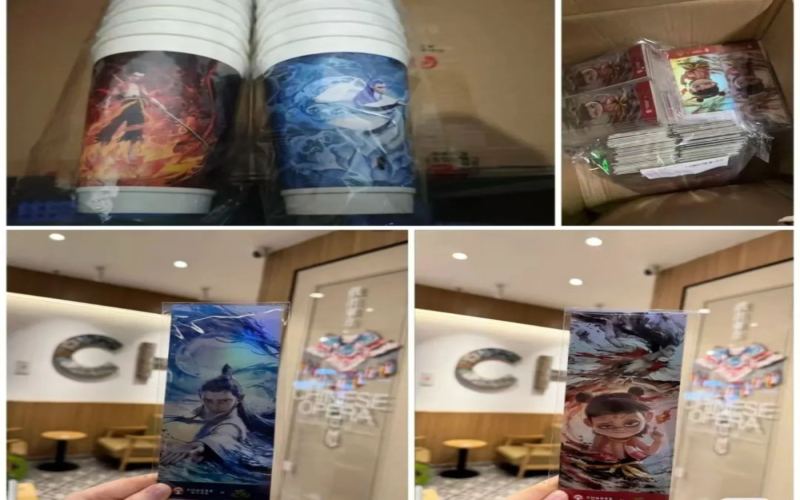
Chagee's Nezha 2 collaboration merchandise accused of clashing with Cotti Coffee designs; official denial seeks to soothe fan sentiment
The co-branding campaign between Chagee and "Ne Zha 2" had not yet been officially announced, but a large number of leaked merchandise images had already surfaced on social media, sparking heated discussion among fans. However, as more images were exposed, merchandise enthusiasts who had been full of anticipation discovered that the square badges in this design bore a striking resemblance to competitor Cotti's fridge magnets, and the quality also fell short of expectations, with disappointment written all over their faces. Facing the growing public discourse, Chagee's official account appeared in the comments section to debunk rumors and try to soothe fans' emotions. Meanwhile, Cotti, which was the first to launch its co-branded campaign, won praise for its sincerity and after-sales service, invisibly putting comparative pressure on Chagee. How will this co-branding controversy unfold? And what gaps exist between fans' expectations and the brand's preparations? [more…]
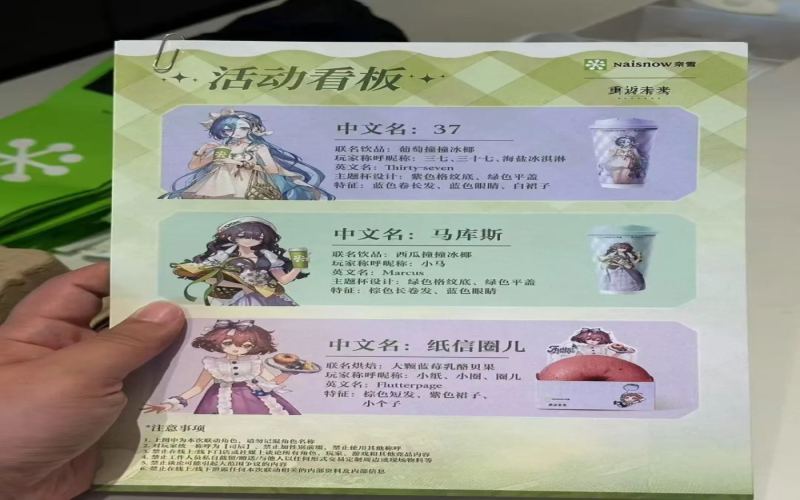
Nayuki Collaborates with "Reverse: 1999" — Merchandise Printing Ghosting and Themed Cup Sticking Issues Spark Player Dissatisfaction
Nayuki's collaboration with the hit game "Reverse: 1999" was supposed to be a fan celebration, but it ran into embarrassment due to quality control issues with the merchandise. The official limited-edition luggage tags were reported by consumers to have ghosting in the printed designs, making the game characters look like their "souls had left their bodies," which was dizzying to look at. At the same time, the collaboration-themed cups caused the peelable small cards to stick together and become damaged due to condensation, greatly reducing their collectible value. The stores' response to requests for exchanges also failed to quell dissatisfaction. Why did this cross-industry collaboration, which was met with high expectations, repeatedly stumble over the details? And how should consumers' experience be safeguarded? [more…]
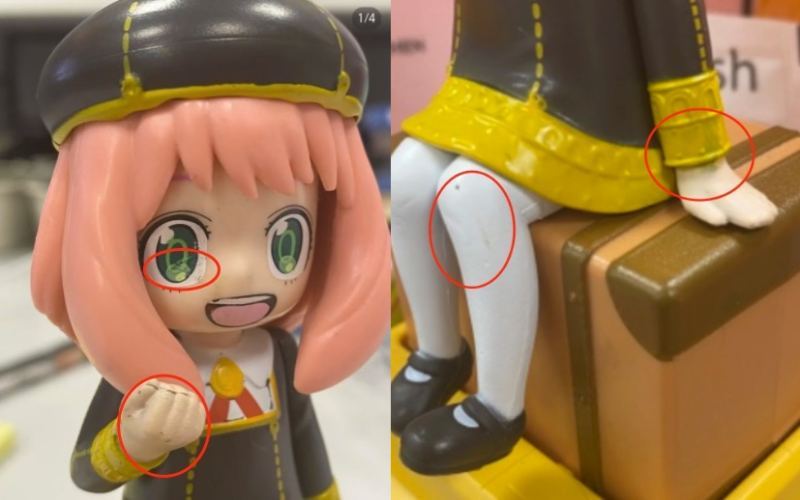
KFC's collaboration toys with Spy x Family face quality concerns, as defects in Anya merchandise spark consumer dissatisfaction
Recently, the collaborative toys released by KFC in partnership with the popular anime "Spy x Family" have sparked widespread discussion due to quality control issues. Multiple consumers have reported on social media that the Anya dolls they received have obvious stains, uneven painting, and even parts installed backwards, with some stains proving difficult to remove. This collaborative meal set went on sale starting September 6 and includes four random toys, but many fans have encountered the dual troubles of store stock shortages or poor product quality. Although some consumers successfully exchanged defective items, the incident still highlights the shortcomings in production and quality control for IP collaboration merchandise, which deserves attention from both brands and fans. [more…]
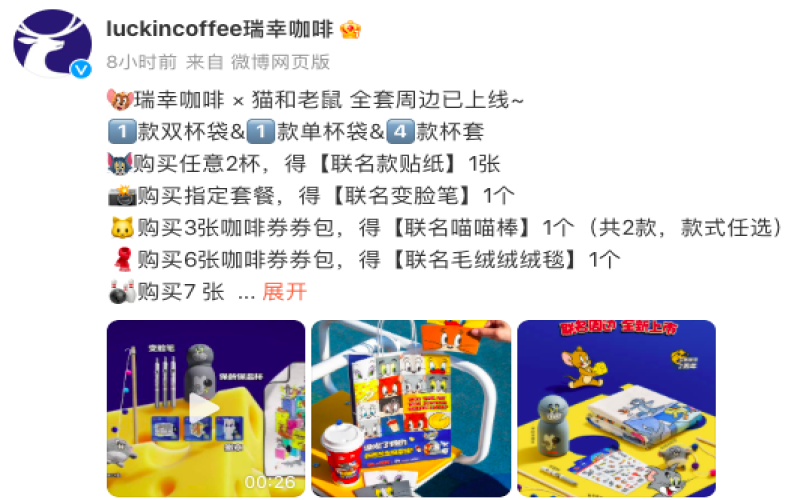
Luckin Coffee's Tom and Jerry collaboration face-changing pen criticized for poor quality control, pattern wear issues spark consumer dissatisfaction
Luckin Coffee has teamed up with the classic animated IP Tom and Jerry for the third time to launch a New Zealand raw cheese latte and a series of limited-edition merchandise, among which the face-changing pen quickly captured the hearts of a large number of consumers with its fun design of pressing to change faces. However, many buyers found in actual use that after pressing this face-changing pen several times, the printed pattern of the character's face inside the pen barrel window began to peel, become mottled, or even disappear, and quality control issues then surfaced. Consumers' photos and complaints appeared one after another on social platforms. Some tried to exchange the product at stores but found the problem persisted, while others took apart the pen and applied film in an attempt to extend the life of the pattern. This article will review the complete process of this face-changing pen from going viral to flopping, present consumer feedback and coping methods, and focus on the quality control controversy surrounding Luckin's co-branded merchandise. [more…]
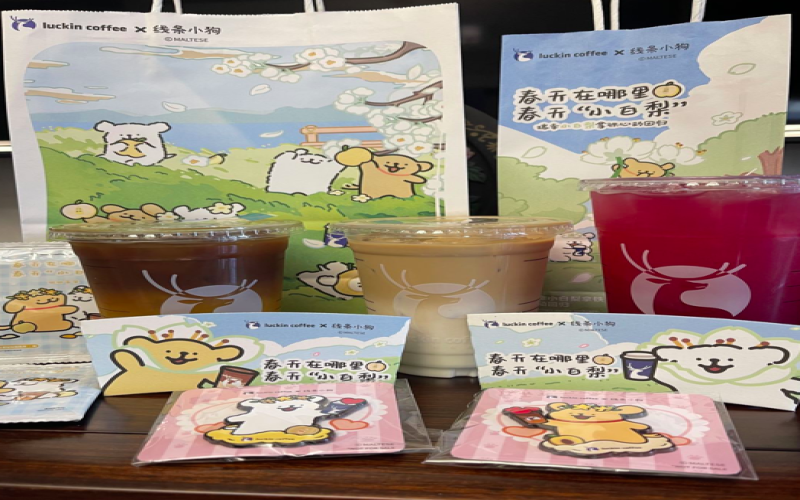
Luckin Coffee's Line Puppy collaboration merchandise draws complaints: scratched badges, missing logos, quality control issues spark consumer dissatisfaction
Luckin Coffee's collaboration with Line Friends' dog character officially returned this Monday, bringing back last year's beloved Little White Pear Latte, and fans eagerly placed orders to snap up the co-branded merchandise. However, many consumers discovered upon receiving the actual products that the limited-edition metal badges had issues such as scratches, bubbles, black spots, and even missing logos, while the blind-bag stickers were also complained about being insufficient in quantity. Faced with co-branded merchandise that they had waited a year for yet varied in quality, merch enthusiasts expressed their disappointment one after another, calling on Luckin to strengthen quality control. [more…]
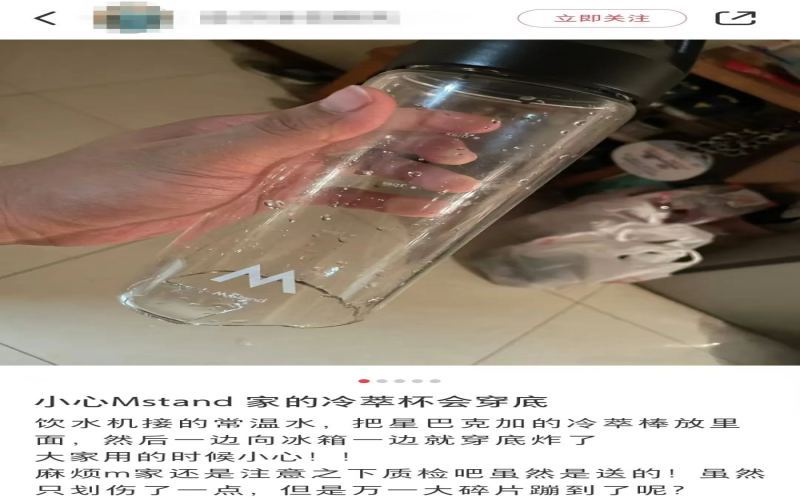
Mstand Cold Brew Carafes Frequently Crack, Fan Merchandise Quality Control Questioned by Fans
In the scorching summer, iced coffee has become a favorite for many coffee enthusiasts, and making cold brew at home is a recent popular choice. Mstand, known for its peripheral marketing, launched a cold brew set in early July, including cold brew coffee bags and a glass cold brew pot, quickly attracting a large number of fans to purchase. However, recently, multiple consumers have reported serious quality issues with this cold brew pot—some had the bottom suddenly shatter and got cut by fragments while using it, and more encountered unexplained cracks at the bottle mouth joint. Although the product is labeled as ordinary glass not resistant to high temperatures, users who reported the issues all stated they did not use hot water and operated carefully. This is not the first time Mstand's peripherals have failed; the previously launched woven bag was also criticized for its easily broken handle. While the strategy of using high-appeal freebies to drive set sales is effective, frequent quality control issues are eroding fan trust. [more…]
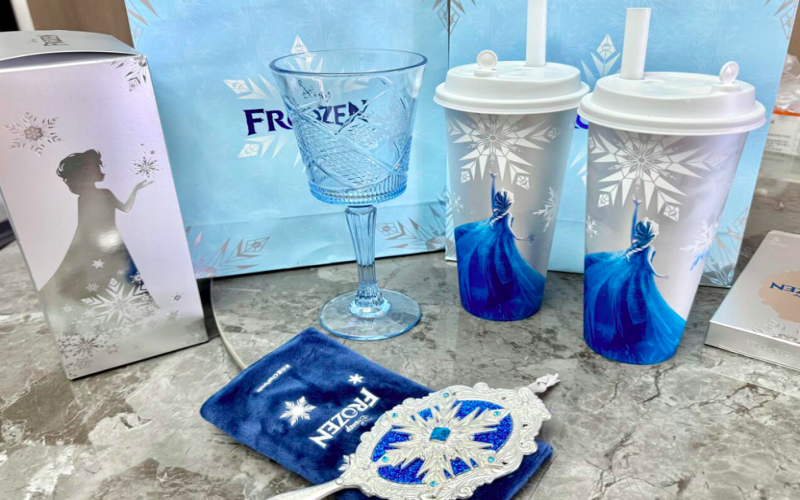
ChaPanda's Frozen collaboration merch has quality control issues: phone straps break as soon as you get them, and hand mirrors and goblets are also getting complaints.
ChaPanda collaborated with Disney's Frozen to launch limited-edition fruit teas and merchandise, among which the snowflake phone charm was highly sought after for its attractive design. However, less than 12 hours after the launch, multiple consumers reported that the phone charm snapped with a gentle tug, sending beads scattering everywhere. Subsequently, issues such as paint peeling and cracking on the hand mirrors, and scratches and chips on the goblets, were also exposed one after another. Fans who had rushed to buy in for the IP were greatly disappointed, questioning the brand's control over the practicality of the giveaways. This article compiles consumer feedback and various perspectives to help you understand why this collaboration merchandise became a "beautiful piece of junk." [more…]
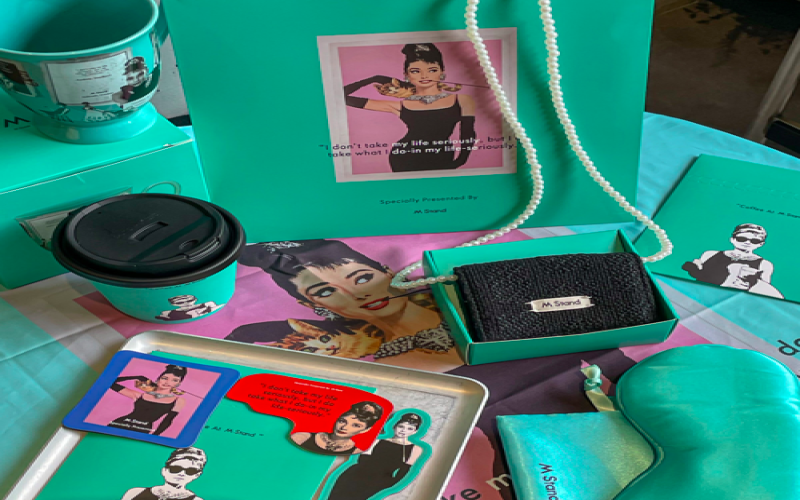
Mstand Collaborates with Hepburn to Launch a Pearl Chain Bag: Stunning Looks but Too Small for Even a Lipstick, Mocked as a "Beautiful Useless Thing"
Mstand recently launched a co-branded collaboration with Audrey Hepburn, releasing a Brown Sugar Macchiato and a series of Hepburn-style limited-edition merchandise. Among them, the pearl chain Mini Crossbody Bag sparked a buying frenzy thanks to its high aesthetic appeal. However, after the first batch of consumers received the actual product, they discovered that the bag was extremely small—too small to even fit a single lipstick—making its practicality far lower than expected. It was jokingly dubbed a "beautiful piece of junk that can only hold emotional value." Mstand had previously earned the nickname "the luggage factory of the coffee world" for practical merchandise like its "grocery basket" and denim bag. This collaboration, however, left many fans disappointed. This article will review the actual situation and consumer feedback regarding this collaborative merchandise, and explore the balance between aesthetics and practicality in brand merchandise development. [more…]
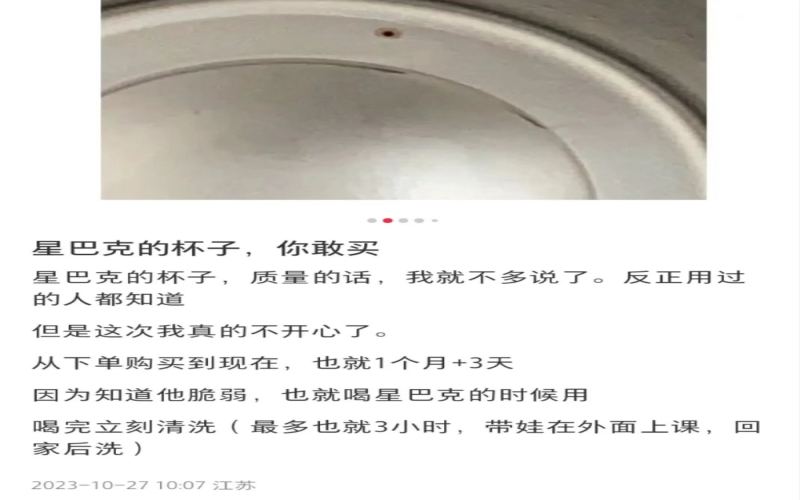
Rust Spots Found in Starbucks Stainless Steel Insulated Tumbler's Interior Spark Quality Controversy, Drawing Attention to Consumer After-Sales Rights Protection
It is no longer news that chain coffee brands sell merchandise. Products such as cups, pins, and canvas bags can not only increase revenue but also cultivate fan loyalty. However, once merchandise has quality problems, after-sales disputes follow one after another. Recently, a netizen posted that the bottom of the inner liner of a stainless steel insulated cup they bought from Starbucks had black rust spots, and when they asked the official side for a replacement, they were refused on the grounds that it was "beyond the after-sales time limit." The post resonated with a large number of consumers. Some complained that quality control was worrying, while others believed that the way it was used might be the key. Three days after the incident gained traction, the blogger updated the progress, saying that Starbucks had agreed to replace it. Who is actually responsible in this dispute? And how should brands balance the appearance and quality of merchandise? [more…]
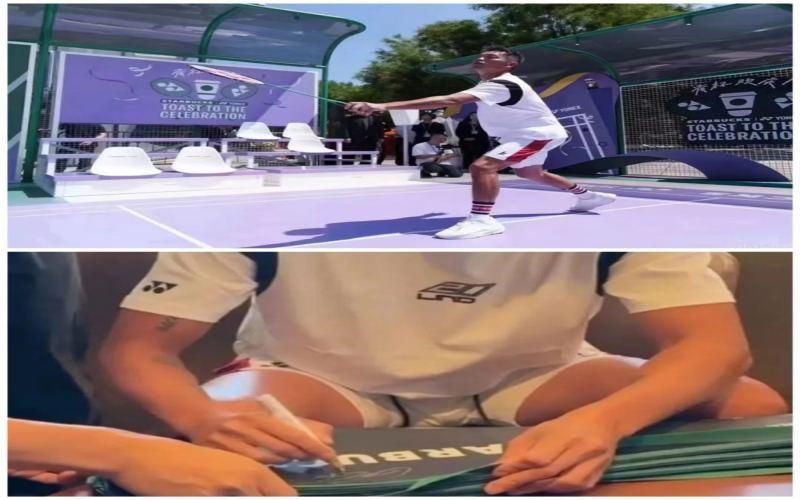
Starbucks teams up with YONEX to invite Lin Dan for an appearance—why are reviews so polarized on the new sports season drinks and co-branded merchandise?
Amid the Paris Olympics hype, Starbucks has teamed up with renowned badminton brand YONEX for a collaboration, launching limited-edition rackets, playful cup sleeves, and a range of sports-themed merchandise. They also invited badminton legend Lin Dan to appear at the Beijing Sanlitun store for the promotion, where he interacted with fans by swinging rackets and signing autographs. Meanwhile, the brand introduced an alcohol-free cold brew inspired by French sparkling wine and two sports-limited-edition cakes. However, reviews of the new products have been notably polarized: the cold brew was praised by some consumers as refreshing and sweet, while others criticized it for having an odd flavor; the cupcakes received more negative reviews for their dry and hard texture. Despite the massive hype of the collaboration, the controversy over the quality control of the drinks and pastries has led some netizens to question whether the brand is 'putting the cart before the horse'. [more…]
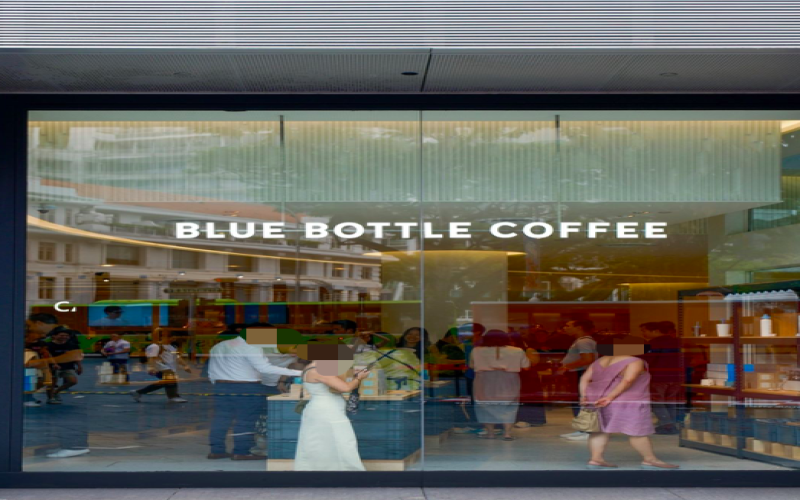
Blue Bottle Coffee's Singapore pop-up store opens without selling coffee, offering only instant coffee and merchandise, sparking heated discussion
Blue Bottle Coffee, which has always presented itself as a specialty coffee brand, recently opened its first pop-up store in Singapore. However, this store surprisingly does not sell freshly made coffee beverages, offering only a single type of instant freeze-dried coffee powder, along with cups, brewing accessories, and other merchandise. Although equipment is set up in the store, free coffee is only available for a limited time from 12:00 to 12:30 noon, and if you miss it, you cannot taste it. The company stated that this move is the first step in introducing the full coffee experience more broadly in the local market, with a focus on promoting instant coffee and matcha products. However, many consumers who came specifically for the brand expressed disappointment, saying that they could not even buy coffee beans, which is inconsistent with the brand's一贯 rigorous attitude toward coffee. Some speculate that after being acquired by Nestlé for $3.3 billion, Blue Bottle may be gradually moving closer to the Nestlé system and might promote more products with Nestlé characteristics in the future. This article is compiled from Coffee Workshop to take you through the whole story. [more…]
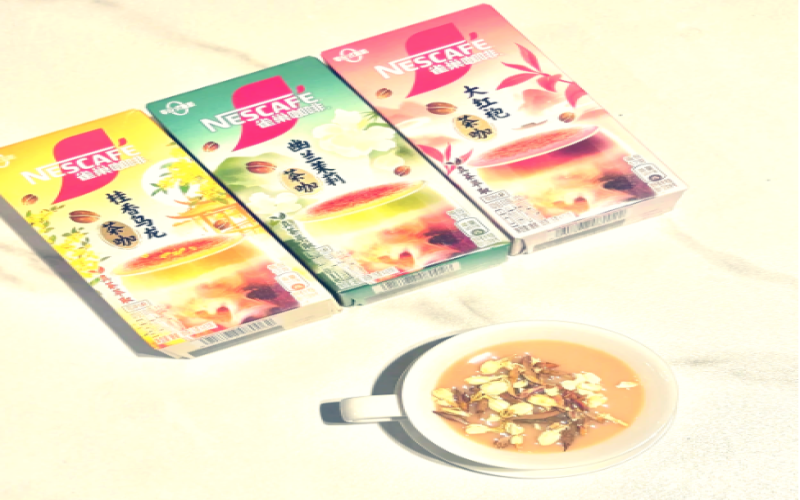
Nestlé Enters the Tea-Coffee Arena with an Onmyoji Collaboration: Can Three New Products Crack the Youth Market?
Currently, China's beverage industry is witnessing an intriguing cross-boundary phenomenon: tea drink companies want to enter the coffee sector, while coffee companies try to grab a share of the milk tea market. At the intersection of tea and coffee, a new category is being born—tea-coffee. As a global coffee industry giant, Nestlé, facing pressures such as the continuous contraction of the instant coffee market and brand aging, launched a special tea-coffee series in July this year, featuring three flavors: orchid jasmine, osmanthus oolong, and da hong pao. Three months after its launch, Nestlé teamed up with the Onmyoji mobile game for cross-boundary marketing, attempting to extend from young people's first cup of coffee to their first piece of merchandise. How has the market responded to this drink that combines caffeine and tea polyphenols? And why has the co-branded merchandise received such high praise? This article provides a detailed analysis. [more…]
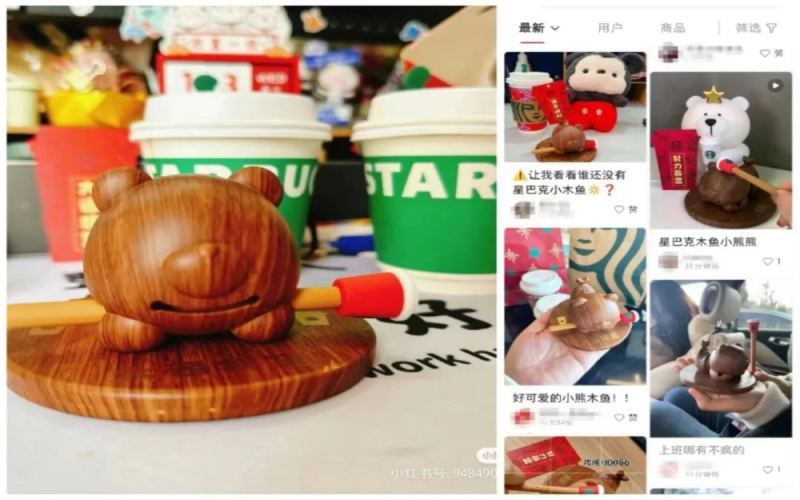
The New Battleground for Coffee Brand Promotions: Free Gifts, Not for Sale—Why Do Consumers Care More About the Packaging Than the Coffee?
Recently, the coffee industry has seen a surge in the trend of offering free merchandise with purchases. Brands such as Starbucks, Manner, and Luckin have rolled out limited-edition trinkets, from wooden fish ornaments to co-branded canvas tote bags and blind-box pins, attracting a large number of consumers to place orders just for the freebies. This promotional model of giving items away rather than selling them has gradually turned the coffee brand war into a competition of merchandise design. While consumers chase limited-edition gifts, their attention to the drinks themselves is declining. This article will review recent buy-one-get-one promotions by various brands and analyze the consumer psychology and industry impact behind this phenomenon. [more…]
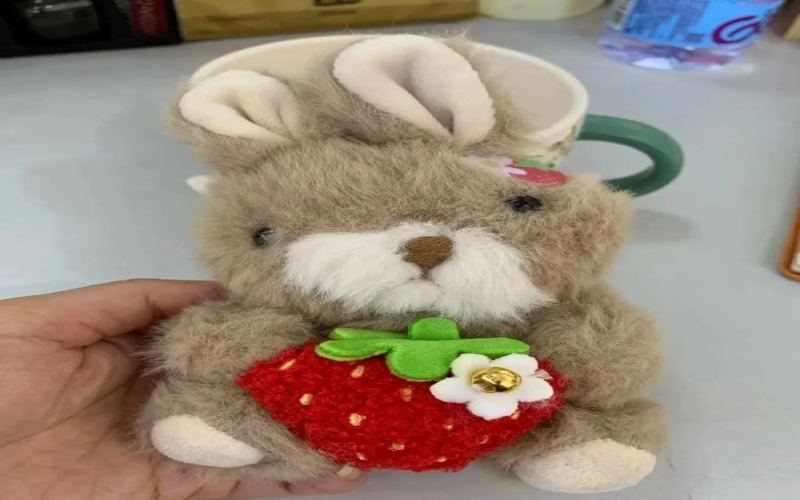
Starbucks Strawberry Bunny Mug: Real Product vs. Promotion Discrepancy Sparks Heated Debate Over Plush Quality Control
In Starbucks' recently launched Berry Good Times collection, a mug that comes with a rabbit plush toy quickly went viral thanks to its adorable design, and it was even briefly out of stock on e-commerce platforms. However, consumers who received the first batch of products discovered that the actual plush toy looked vastly different from the official poster, and a flood of complaints and jokes soon appeared on social media. Some joked that this was the difference between a "996 work rabbit" and a "fresh graduate rabbit," while others said that quality control failures on Starbucks plush merchandise are nothing new. This discussion sparked by a single rabbit not only reflects fans' expectations for brand merchandise, but also reveals consumers' complicated attitude toward the gap between emotional value and product quality. [more…]